

 ₹https://connect.vivaacp.com/supplier/ahilyanagar/balikashram-road/viva-composite-panel-pvt-ltd-acp-sheet-aluminium-composite-panel-supplier-in-balikashram-road-ahilyanagar--59B5fT/articles/what-are-acp-panels-complete-guide-to-aluminium-co--823c2743-6ed1-4cc3-9b03-0deafa467018
Viva Composite Panel Pvt Ltd – ACP Sheet & Aluminium Composite Panel Supplier, Balikashram Road, ahilyanagar
ACP Sheet & Aluminium Composite Panel Supplier in Balikashram Road, Ahilyanagar, Maharashtra
Suman Colony, Borude Mala, Opposite Datta Mandir, Balikashram Road, ahilyanagar, maharashtra - 414003Get in Touch
Viva Composite Panel Pvt Ltd – ACP Sheet & Aluminium Composite Panel Supplier Social Feeds in Balikashram Road, ahilyanagar
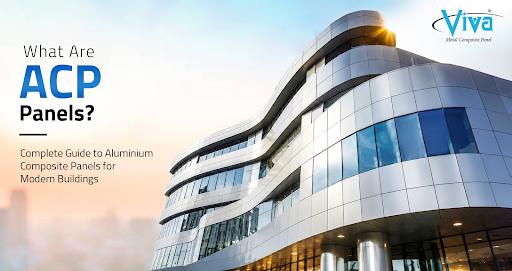
What Are ACP Panels? Complete Guide to Aluminium Composite Panels for Modern Buildings
ACP panels (Aluminium Composite Panels) are lightweight cladding sheets made of two thin aluminium layers bonded to a central core. They are widely used for building facades, interiors, signage, and commercial spaces because of their lightweight construction, weather resistance, design flexibility, and variety of finishes. Available in Non-FR, FR, and A2-grade options, ACP panels also offer choices for different fire-safety requirements. Sustainable options like Viva's GreenPro Ecolabel-certified panels support green-building initiatives.
Why Are ACP Panels Widely Used in Modern Buildings?
From commercial buildings and showrooms to corporate offices and residential projects, ACP cladding is a popular choice for modern architecture. Its clean appearance, wide colour palette, and lightweight construction make it suitable for a variety of facade designs.
ACP panels are not just decorative. Their engineered structure offers a balance of rigidity, weight, weather resistance, and design flexibility. Whether planning a new building in Ahilyanagar or renovating a commercial property in Balikashram Road, ACP provides versatile cladding options for different architectural needs.
What Are ACP Panels Made Of?
An aluminium composite panel (ACP) is made by bonding two thin aluminium sheets to a central core. This creates a rigid yet lightweight panel that can be cut, folded, routed, and installed on building surfaces.
A typical ACP panel consists of:
Aluminium skins: Usually 0.15 mm to 0.50 mm thick.
Core material: PE, fire-retardant mineral core, or corrugated aluminium.
Protective coating: PVDF or FEVE coating for the exposed surface.
This sandwich construction provides flatness, rigidity, and a lightweight structure suitable for exterior and interior applications.
How Are ACP Panels Manufactured?
ACP manufacturing involves a continuous process to maintain panel quality, bonding, and finish.
Coil coating: Aluminium coils are cleaned, treated, and coated with PVDF or FEVE paint.
Lamination: Aluminium skins are bonded to the core under controlled heat and pressure.
Cooling and sizing: Sheets are cooled, trimmed, and cut to standard or custom sizes.
Quality testing: Panels are tested for bonding, coating adhesion, fire behaviour, and weathering.
Manufacturers with in-house coating and lamination facilities can maintain better control over production quality and consistency.
What Are the Different Types of ACP Panels?
ACP panels are classified by their core material and surface finish, which determine their fire performance and appearance.
Types Based on Core
Viva introduced the A2+ Aluminium Core Corrugated Panel (ACCP) in India, offering a high level of fire-safety performance for building applications.
Types Based on Finish
Solid colours: Clean and uniform shades for modern facades.
Metallic: Reflective finishes for a premium appearance.
Stone: Marble and granite-inspired designs.
Wood: Timber-inspired finishes for architectural warmth.
Corten: Rustic and industrial-inspired appearance.
Mirror and sparkle: Decorative options for accents and interiors.
What Are the Benefits of ACP Panels?
ACP panels offer a combination of practical and aesthetic benefits for modern buildings.
These advantages make ACP suitable for commercial, residential, and architectural projects where appearance and practical performance matter.
Where Are ACP Panels Used?
Aluminium composite panels are used across different building types and applications.
Building facades: Commercial buildings, residential projects, showrooms, and exteriors.
Interior panelling: Lobbies, corridors, feature walls, and ceilings.
Signage: Retail fascia, hoardings, and branding.
Column and canopy cladding: Finishing structural elements.
Infrastructure: Airports, metro stations, and transit hubs.
Partitions and furniture: Interior fit-outs and selected furniture applications.
Common ACP specifications include:
For detailed sizes and finishes, explore the ACP catalogue. For exterior facades, 4 mm panels with 0.25 mm to 0.50 mm aluminium skins and PVDF coating are commonly used specifications.
Are ACP Panels Sustainable?
Sustainability is an important consideration in modern construction. ACP offers recyclability through aluminium, while coating options can support environmental requirements.
The GreenPro Ecolabel, a life-cycle-based certification from CII, evaluates the environmental impact of products.
Viva is the first ACP manufacturer in India to achieve the GreenPro Ecolabel certification. For projects pursuing IGBC or LEED ratings, certified products can contribute towards relevant green-building credits, subject to project assessment.
When comparing ACP panels, consider GreenPro certification, recyclable aluminium content, low-VOC coatings, and relevant environmental documentation.
How Do You Choose the Right ACP Panel?
Choosing the right ACP panel depends on the building's safety, design, and performance requirements.
Fire requirement: Select Non-FR, FR, or A2 based on project requirements and applicable regulations.
Coating grade: Consider 70% KYNAR 500 PVDF coating for exterior weather and colour resistance.
Finish and colour: Choose a finish that complements the architectural design.
Sustainability: Prioritise GreenPro-certified panels for green-building projects.
Manufacturer quality: Check manufacturing capabilities, certifications, testing, and warranty terms.
When comparing ACP suppliers in Ahilyanagar, evaluate the full specifications rather than selecting panels based only on price or appearance.
How Are ACP Panels Installed?
ACP panels are fixed using engineered sub-frame systems designed to manage loads, movement, and weather exposure.
Common installation methods include:
Cassette system: Folded panels attached to a concealed aluminium frame.
Routed and returned: Panels grooved and folded into rigid cassette shapes.
Direct fixing: Panels attached using screws or rivets.
Ventilated facade: Panels installed with an air gap behind them for moisture and thermal management.
How Do You Maintain ACP Panels?
ACP panels require routine care to maintain their appearance and performance.
Routine cleaning: Use mild detergent and water to remove dust and dirt.
Avoid abrasives: Do not use harsh chemicals or scouring pads.
Inspect joints: Check sealants and gaskets periodically.
Repair damage: Address damaged panels promptly.
Individual panels can often be replaced without disturbing the entire facade, making maintenance more convenient and helping reduce material waste.
What Factors Affect ACP Panel Cost?
ACP prices vary based on specifications, material, coating, and finish.
The cheapest ACP panel may not be the most economical over time. Choosing suitable core materials, coating, and panel specifications can help reduce maintenance and replacement requirements.
Common Myths About ACP Panels
All ACP is a fire risk: FR and A2 panels are designed for different fire-safety requirements.
ACP fades quickly: Coating grade matters, with PVDF designed for long-term colour retention.
ACP is not eco-friendly: Aluminium is recyclable, and certifications like GreenPro help assess environmental performance.
All ACP brands are the same: Core type, coating, skin thickness, and manufacturing quality vary.
Conclusion
ACP panels have become a popular facade material because they combine lightweight construction, design flexibility, weather resistance, and multiple finish options. FR and A2-grade panels also provide options for projects with different fire-safety requirements.
Selecting the right panel involves considering the core, coating, finish, manufacturing quality, and sustainability credentials. For architects, builders, and property owners planning projects in Balikashram Road, Ahilyanagar, choosing the right ACP specifications is an important step towards achieving a functional and visually appealing facade.
Explore Viva's ACP panel range to find suitable cladding options for your building, commercial space, or renovation project.
Frequently Asked Questions (FAQs)
Q1. What are ACP panels?
ACP panels are lightweight cladding sheets made of two aluminium layers bonded to a central core. They are used for facades, interiors, signage, and architectural applications.
Q2. What are ACP panels made of?
They consist of two aluminium skins, a central PE, FR mineral, or aluminium core, and a protective surface coating such as PVDF or FEVE.
Q3. What is the difference between FR and non-FR ACP panels?
Non-FR panels use a combustible polyethylene core, while FR panels contain a fire-retardant mineral-filled core. A2 panels use an aluminium core and are designed for applications requiring higher fire-safety performance.
Q4. Where are ACP panels used?
ACP panels are used for exterior facades, interiors, ceilings, signage, canopy cladding, partitions, and infrastructure projects.
Q5. Are ACP panels environmentally friendly?
ACP panels use recyclable aluminium. GreenPro Ecolabel certification helps assess environmental performance, and certified panels can contribute towards relevant green-building credits, subject to project requirements.
Q6. What thickness of ACP panel is best for exterior facades?
4 mm ACP panels with 0.25 mm to 0.50 mm aluminium skins and PVDF coating are commonly used for exterior facades. The final specification depends on facade design, wind load, fixing system, and project requirements.